
We help pets heal from cruciate ligament tears.
If your dog is limping or struggling to walk, they may have a torn cruciate. We provide expert surgical solutions to stabilize the knee, reduce pain, and help your pet regain full movement.

What are common signs your pet may have a torn cruciate?
A cruciate injury can cause limping, stiffness, and difficulty bearing weight. Recognizing the symptoms early can help prevent long-term pain and arthritis.
-
Limping or favoring one leg may indicate a cruciate tear.
-
Sudden difficulty standing, walking, or jumping is a common sign.
-
A stiff or swollen knee could mean joint instability.
-
Intermittent limping that worsens with activity may signal a partial tear.
Why does surgical repair matter?
A torn cruciate ligament won’t heal on its own. Surgical repair is the most effective way to restore stability and get your dog moving comfortably again.
-
A torn ligament won’t heal with rest alone
Without surgical stabilization, the knee remains unstable, leading to pain and long-term joint damage.
-
Delaying treatment can make things worse
Over time, untreated tears cause cartilage wear, arthritis, and strain on the opposite leg.
-
Surgery improves stability and reduces pain
Proper repair restores your dog’s ability to walk, run, and play—without discomfort.
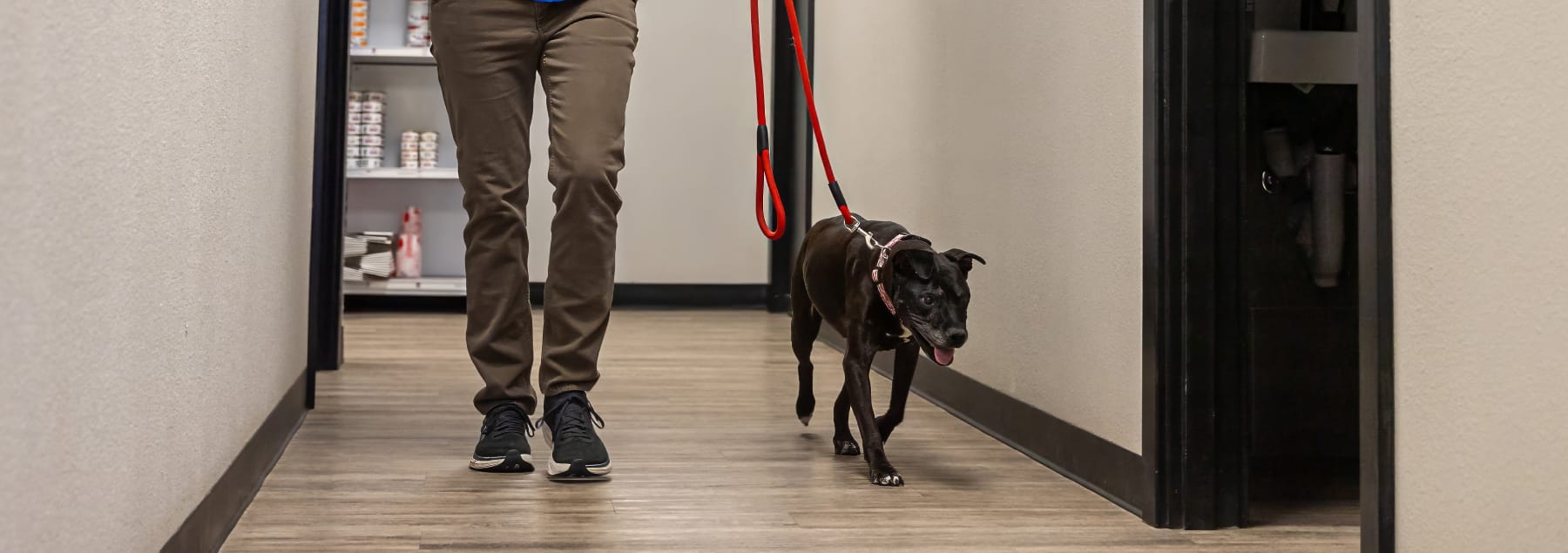
We provide a better experience for you & your pet.
We make orthopedic surgery easier for pets and their people. Get clear, compassionate care tailored to your pet’s needs.
-
Orthopedic only – We don’t offer general care—just targeted procedures.
-
Cost-conscious care – High-quality treatment without inflated pricing.
-
We come to you – Surgery is done at trusted clinics near you.
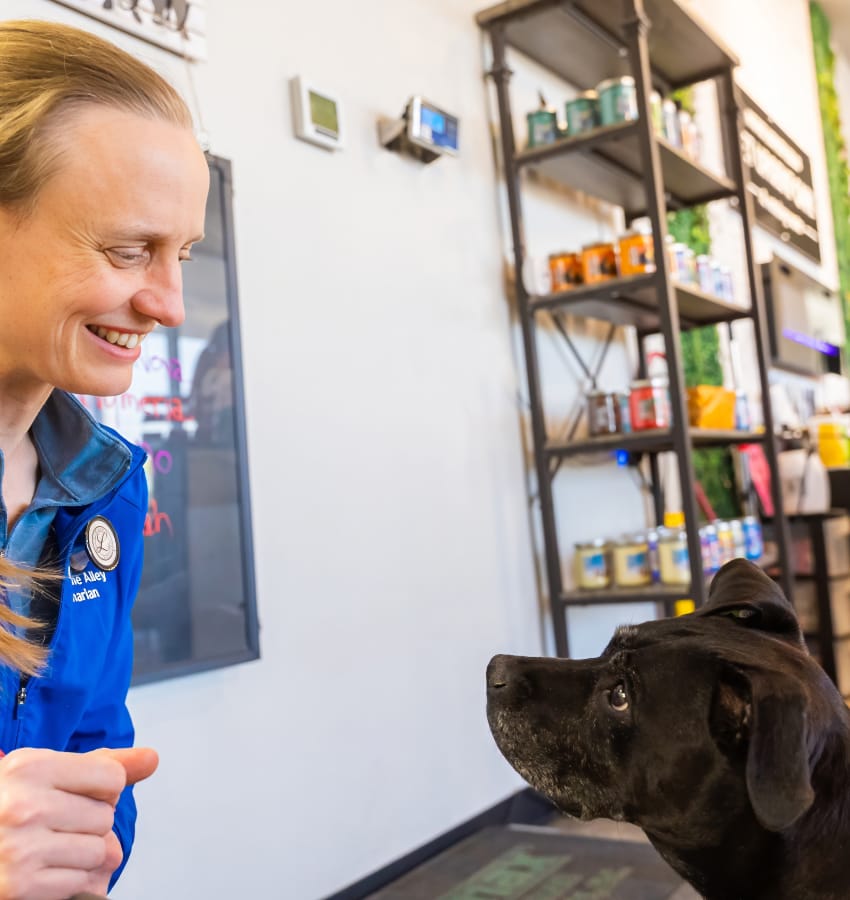
What to expect before & after surgery
From initial consultation to full recovery, we provide clear guidance and support at every step to ensure the best outcome for your pet.
-
Before Surgery
Your general care vet performs a pre-surgical workup to assess your dog’s condition, helping ensure they are ready for the procedure.
-
Surgery Day
We bring expert orthopedic surgery to trusted veterinary clinics in Tri-Cities and Spokane.
-
Recovery Process
Follow-up check-ins at 2, 5, and 8 weeks help monitor healing and ensure a smooth return to normal activity.
Still have questions?
We’ve got answers.
If your dog has been diagnosed with a torn cruciate, you probably have questions about surgery, recovery, and what to expect.
If your dog is limping, struggling to put weight on one leg, or showing signs of knee instability, they may have a torn cruciate ligament. Your veterinarian can perform an exam and recommend the best treatment option, which often includes surgery for long-term stability and comfort.
Left untreated, a cruciate tear can lead to chronic pain, joint instability, and severe arthritis. Over time, dogs may develop muscle loss, increased discomfort, and difficulty walking, making surgical intervention the best long-term solution.
Most dogs take about 8 weeks to recover, with gradual improvements along the way. Restricted activity is required during the early healing phase, but with proper post-op care and follow-ups at 2, 5, and 8 weeks, most dogs return to normal activity within a few months.
Pain management is a priority, and we use advanced pain relief techniques, including local anesthesia and post-op medications. Most dogs are comfortable with prescribed pain management and begin showing improvements in mobility within a few days.